Achieve a Smooth Finish Every Time
Sanding drywall patches can seem daunting, but with the right approach, you can achieve a smooth and flawless finish. The key to a perfect drywall finish lies in proper preparation and technique. Before you begin, gather all necessary materials and tools. You’ll need sandpaper, preferably in varying grits from 80 to 220. Additionally, consider using a sanding block or pole sander for larger areas. Don’t forget safety gear such as a dust mask and goggles to protect yourself from fine dust particles commonly generated during sanding. Read on to learn how to sand drywall patch effectively, ensuring professional results.
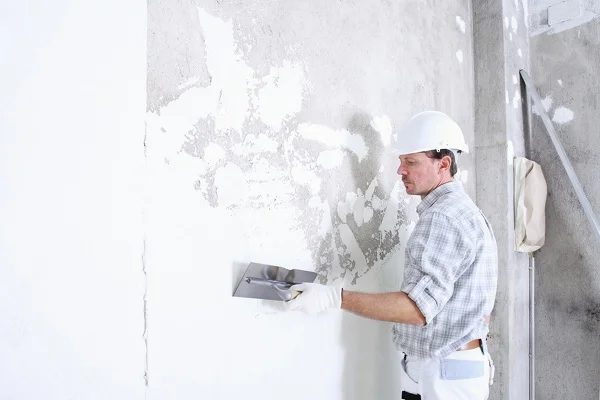
Steps for Sanding Drywall Patches
Follow these steps for an efficient drywall sanding process:
- Prepare the Area: Clear the area of any furniture or items that might get in your way. Lay down drop cloths to catch dust and debris.
- Inspect the Patch: Ensure the patched area is dry and free of ridges and bumps. Use a utility knife to remove any large imperfections.
- Select the Right Sandpaper: Begin with coarse grit (80-120) sandpaper to tackle major flaws. Progress to finer grits (150-220) for smoothing out the surface.
- Sanding Technique: Sand in circular motions, applying light pressure. Continuously check the smoothness by running your hand over the surface.
- Use a Light Source: Hold a light parallel to the wall to highlight any remaining imperfections or grooves that require additional attention.
- Clean Up Dust: After achieving a smooth finish, use a damp cloth or sponge to wipe away dust residues. Consider using a shop vac with a brush attachment for thorough cleaning.
- Final Touch-Up: If necessary, apply a thin coat of joint compound over minor imperfections and repeat the sanding process once it’s dry.
Sanding Tips for Optimal Results
To ensure the best outcome when learning how to sand drywall patch, keep these tips in mind:
- Avoid excessive pressure: Over-sanding can damage the drywall paper layer underneath the patch.
- Smooth transitions: Feather the edges of the patched area into the surrounding wall for an even finish.
- Stay patient: Perfecting a drywall patch takes time, especially if you’re new to the process. Don’t rush!
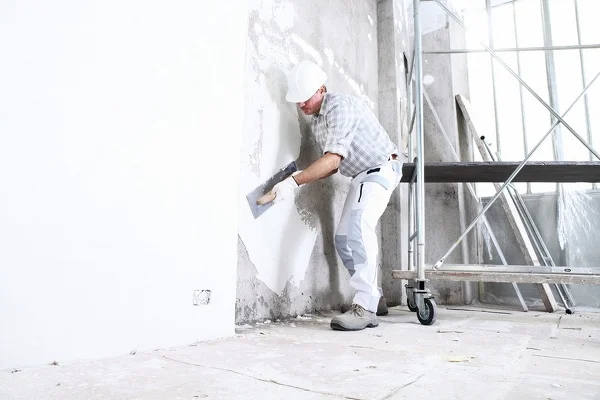
Successfully Completing Your Drywall Project
Sanding is crucial in preparing your walls for painting or wallpapering. By mastering how to sand drywall, you can confidently tackle future drywall repairs and home improvement projects.
How to Sand Drywall Patch: Trust Experts
For residents of Mill Valley, CA, we offer expert drywall services that save you time and effort. Contact us today at (415) 366-9586 for professional assistance and advice on all your drywall needs. Gray Lath and Plaster is waiting for your call!